What is Nuclear Energy?
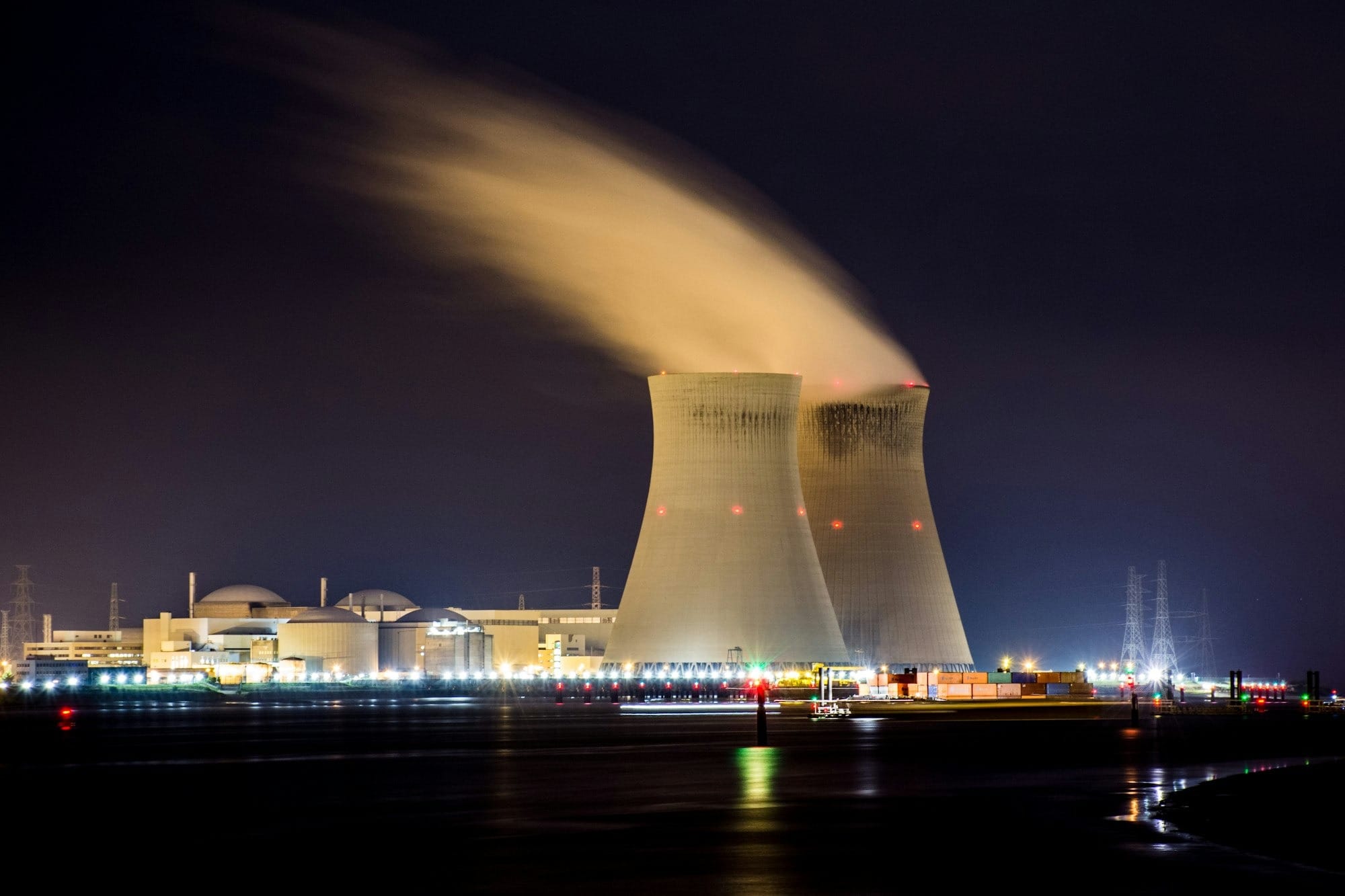
Nuclear a word that is thrown around a lot these day, some see it as the pathway to a new world, others, the destruction of the world as we know it. However, a lot of people aren’t really quite sure what is going on, What is nuclear energy? Where does it come from? How does it all work? Questions that a lot of people have and that I have also had. So today I am going to try and answer some of these questions.
Now you may be thinking who am I to lecture you on the complexities of the nuclear industry, well in all honesty not that much. I am a third year mechanical engineering student who has partaken in a summer placement in the energy industry, not all that much to go off. However this may be to my advantage as it stops me from using words like ‘Transuranic elements’ (no idea what that means, thank you ChatGPT), but I have just enough knowledge to be able to give you just a little bit of insight into what on earth is going on without going into all the technical stuff.
So what do we even mean when we say Nuclear energy? Well nuclear energy is created when a nucleus of an atom, which is the Centre and the beating heart of an atom, like the seed in a fruit is either broken in half (fission) or joined together with another atom (fusion) which creates energy, I’ll spare you the details as to why that creates energy but just take my word for it that it does.

Now this creates an insane amount of energy one nuclear reactor has the potential to power up to 100,000 homes. In the UK 15% of all our electricity is from nuclear energy so when you turn on the lights or charge your electrical car, for you environmentally savvy people, you will be using this nuclear energy, it is a big part of our day to day lives.
Where this nuclear energy comes from is slightly more technical but I will try keep it simple. To create nuclear energy we split an atom, almost like cutting a seed in half. To do this we take a small particle which you can imagine as a really tiny seed and shoot it like a bullet into the atom ( the big seed). This impact causes the atom to split in half which releases energy along with a tiny particle, this tiny particle then hits another atom causing it to split releasing energy and another tiny particle and so on, this is the basic fundamentals of how we create an enormous amount of energy through a nuclear chain reaction.
Seems like a nice energy source here, however a bit of context about how we got here first is required and why some people aren’t so fond of it, to do this we are going to dive into a bit of history. Nagasaki and Hiroshima two Japanese cities that will tell you all about the downside of nuclear energy. In 1944 2 of the biggest bombs every created at its time were dropped on Nagasaki and Hiroshima to devastating effect. The core of this bomb was a nuclear reaction creating so much energy that is sent a mushroom cloud 60,000 ft into the air, that’s twice as high as a commercial airline at cruising altitude. This event and the race to build the atomic bomb is what led to the realization of a whole new energy source.
Outside of military action there are many prevalent dangers around the creation of nuclear energy, inside of a nuclear reactor a nuclear reaction is taking place (hence the name nuclear reactor) which is extremely dangerous to us humans if we are exposed to it, with devastating effects.

Failures at nuclear reactors can lead to the release of harmful radiation, see Chernobyl exclusion zone, a 30km inhabited zone from the epicenter of the Chernobyl Nuclear Reactor meltdown in 1986 over 40 years ago, which sounds like a lot but estimates place the timeline for the area around the reactor to become safe again in 20,000 years. This highlights the dangers around the generation of nuclear energy. The Chernobyl Nuclear Reactor incident is not a lone occurrence the three-mile island meltdown and the Fukushima meltdown led to many countries opting out of this whole nuclear energy idea. In the UK the last reactor to be built was Sizewell B in 1995. When considering nuclear energy as a source for future development it is also important to look at the past and make sure that lessons on learnt from the mistakes of previous generations.
Recently there has been a resurgence in nuclear energy, driven mainly from the fact that our coal and oil stockpiles are not getting any bigger and nuclear energy provides a low emissions high density energy source, not to mention the enormous amount of energy our new AI friend or foe (depending on your opinion not trying to get to drawn into the whole AI political sphere…… anyway). This all leads to a bit of a race to build nuclear reactors to keep up with energy supply, or in the case of the UK crawling, extremely…. extremely slowly!
So where does it put us today and what does it mean for you and me. Well as we said at the start nuclear energy has tremendous power to create and also destroy and there is certainly very real dangers around the creation and exploitation of nuclear energy. However, I think that the nuclear industry is an extremely exciting field to be following. There have been incredible advances in this field in safety and efficiency. We have a source of energy and power that can do a lot of good to develop our increasingly energy demanding society and power our everyday lives without being at a detriment to the only place we can call home.
The story is only just beginning and I am looking forward to see where it leads.